


Parvoviridae
 |
| Structure of Parvoviridae |
Welcome to this week's review at Pathogen Weekly! This week we review the Parvoviridae family, paying particular attention to Canine Parvovirus 2 (CPV2), Feline Panleukopenia Virus (FPV) and Porcine Parvovirus (PPV).
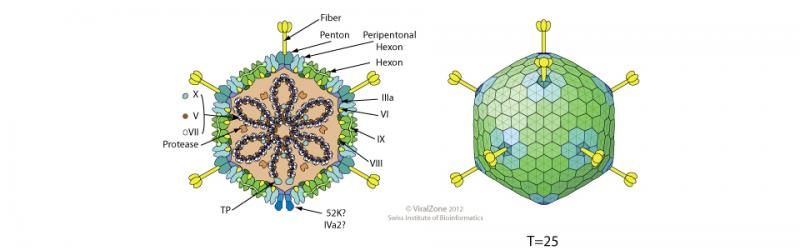
Parvoviridae are a family of small, icosahedral non-enveloped DNA viruses. They affect a range of species and can cause significant disease in young animals. Important species of parvoviridae include CPV2, FPV and PPV.
Environmental Stability

 Parvoviridae is very stable in the environment. It can withstand a pH range of 3 to 8. It is also particularly heat resistant, with Canine Parvovirus requiring 1 hour at 80°c to be deactivated, and feline Parvovirus requiring 2 hours at 80°c.
Viruses in this family are also resistant to a wide range of disinfectants. CPV and FPV are both susceptible to common bleach and aldehydes however.
Big marks here! Despite being vulnerable to bleach and aldehydes, species within Parvoviridae are able to withstand many disinfectants and their ability to persist in the environment is a huge benefit.
Virulence Factors and Pathogenesis


Pathogenesis is dependent on species and age. Parvoviridae is generally not a problem in pigs over 10 weeks of age. PPV can cause embryonic death, foetal mummification, still births and weak piglets if the sow is infected during the first 10 weeks of gestation. Outbreaks of PPV can be devastating, having a profound effect on fertility.
Both adult dogs and cats can suffer from marked enteritis and leukopenia due to the virus affecting rapidly dividing cells. Damage to the gastrointestinal tract can lead to secondary bacterial infection, further loss of leukocytes and subsequent death.
Kittens are more severely affected than adult cats. In kittens infected between 2 weeks before and 2 weeks after birth, cerebellar hypoplasia is common. In puppies, myocarditis is seen.
Parvovirus is more of a problem in young animals, but can cause severe disease in some adult animals. Parvovirus has some very positive pathogenic attributes, but falls short in others.
Host Range


Three stars.
Transmission


Transmission of parvoviruses is dependent on species. PPV is transmitted via the oronasal route, and occasionally vaginally via semen. Dogs acquire CPV via the oronasal route also. In cats, transmission is via the oronasal route, and also transplacentally.
Parvovirus can be acquired from faeces or the environment via fomites. Due to its ability to persist in the environment, and its resistance to many disinfectants, Parvoviruses enjoy living in veterinary clinics and dog parks.
Despite the limited routes of transmission, Parvovirus is easily transmitted due to its ability to persist in almost any environment. A pass mark of 2.5 stars here.
Mortality
Mortality in adults is lower than that in young animals. Mortality in puppies and kittens is also not common, as vaccination is routine. Mortality in pigs can be very high however.
Parvovirus loses marks here due to its preference for young animals and susceptibility to vaccines, but gains marks for its ability to cause mortality in pigs. Another pass mark of 2.5 stars.
Parvovirus loses marks here due to its preference for young animals and susceptibility to vaccines, but gains marks for its ability to cause mortality in pigs. Another pass mark of 2.5 stars.
Conclusion
We like this family! The ability to cause disease in a large range of animals is a big plus. Its environmental resistance is also a big bonus.
If you're looking for a pathogen to significantly reduce fertility in pigs or cause life-threatening conditions in young cats and dogs, a Parvoviridae species may be for you. Due to its robustness, this family of viruses is suited to those who prefer to be hands off.
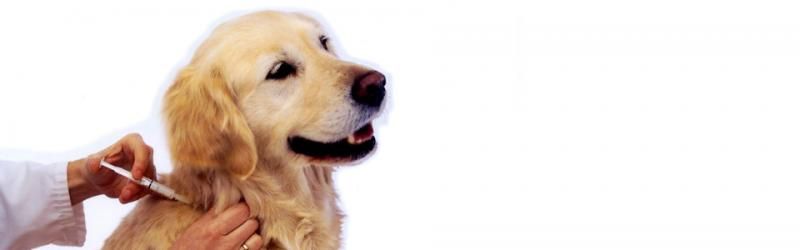
We must note though that there are vaccines available which are very effective. One should be aware of this before choosing Parvovirus.
Final Rating


